How to Block or Report a Member on NexxtDate
Use the in-app safety controls when someone is harassing you, scamming, spamming, threatening you, or making you feel unsafe.
Published 08/01/2026 9:00 am

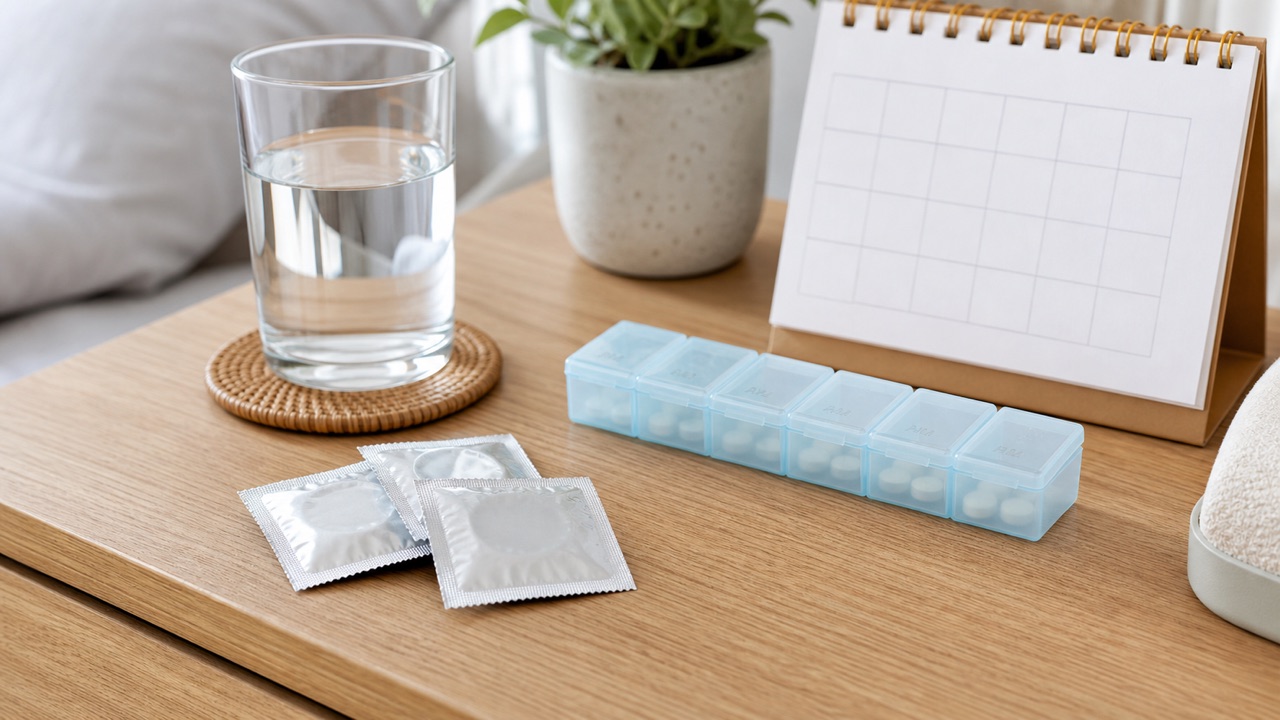
Condoms, PrEP, vaccines, honest conversations, and routine testing work best together. No single tool covers every STI or every situation.
Safer sex is not one decision. It is a system of decisions: protection, testing, communication, vaccination, consent, and care for yourself and your partners.
No article can replace medical advice. Use this as a starting point for a conversation with a healthcare provider, especially if you use PrEP, have multiple partners, have anonymous encounters, or have symptoms.
Condoms and dental dams can reduce STI risk when used correctly and consistently. The CDC also notes that condoms do not eliminate risk and may offer less protection for infections spread through skin-to-skin contact when the affected area is not covered.
PrEP can be a powerful HIV prevention tool when prescribed and taken as directed, but it does not prevent chlamydia, gonorrhea, syphilis, herpes, HPV, hepatitis, or other STIs. People using PrEP still need routine HIV and STI care. CDC clinical guidance includes regular follow-up and testing while on PrEP.
If you have unprotected sex, random encounters, cruising encounters, new partners, or multiple partners, talk with a clinician about a testing schedule. Some people benefit from testing every 3 to 6 months. Your provider can help you decide which tests and which body sites should be included.
Keep barriers available. Discuss protection before meeting when possible. Avoid sex when consent is unclear, when someone is too intoxicated to consent, or when pressure is involved. If a partner refuses protection or testing conversations, take that as meaningful information.
Helpful starting points include the CDC pages on condom use, PrEP clinical guidance, and STI testing.
Recent public posts from the same content hub.
How to Block or Report a Member on NexxtDate
Use the in-app safety controls when someone is harassing you, scamming, spamming, threatening you, or making you feel unsafe.
Published 08/01/2026 9:00 am
How to Report a Bug or Request a Feature on NexxtDate
Send the Support Team a clear report with the page, device, timing, and steps needed to reproduce a problem—or share an idea for improving the app.
Published 08/01/2026 8:55 am
How to Update Privacy Settings on NexxtDate
Control public-profile details, visibility choices, and what you share before you start meeting people.
Published 08/01/2026 8:45 am
How to Use Matches and Likes on NexxtDate
See mutual matches, review people you liked or who liked you, and choose the next step without guessing where each connection stands.
Published 08/01/2026 8:40 am
How to Send and Manage Messages on NexxtDate
Open conversations, send a thoughtful message, review message requests, and keep your inbox organized with folders.
Published 08/01/2026 8:35 am